Best Hot Water System: How to Choose the Right One for Your Home
Choosing hot water systems on the Central Coast? AH Plumbing & Maintenance explains types, sizing and energy efficiency. Contact our team for practical advice.
The best hot water system is the one that suits your home, your household’s daily demand and your longer-term energy priorities. At AH Plumbing & Maintenance, we help Central Coast homeowners compare their options before choosing a new or replacement system. Rather than selecting on upfront cost alone, it is worth looking at how the unit will perform in everyday use.
This guide explains how to choose a hot water system by comparing gas, conventional electric, solar and heat pump options, then considering household size, existing connections, available space and running costs.
Start With Your Household’s Hot Water Needs
Before comparing technologies, think about when and how your household uses hot water. The number of people at home matters, but shower length, bath use and overlapping demand are just as important. A household that showers at different times may need a different setup from one where several bathrooms are used together each morning.
- How many people regularly use hot water?
- How many showers or taps need hot water at the same time?
- Does demand peak in the morning, evening or both?
- Are you planning another bathroom or expecting household needs to change?
- Does the current system run out, or is its performance affected by a fault?
Running out of hot water does not automatically mean you need a bigger tank. A faulty component, heating schedule or slow recovery may be involved. We can assess the existing system before recommending a replacement.
Compare the Main Hot Water System Types
Gas Hot Water Systems
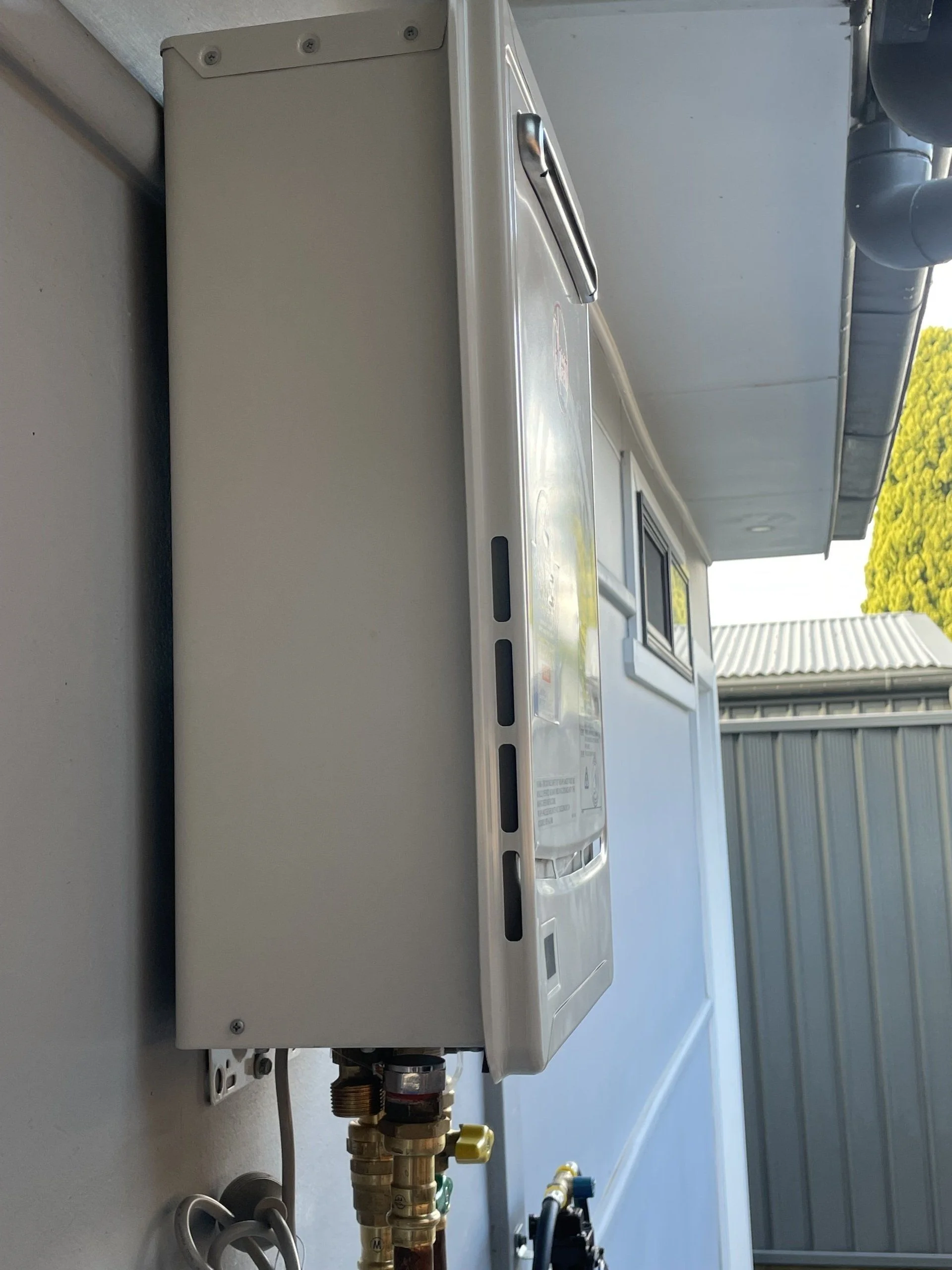
Gas systems are available as storage units and continuous-flow units. Storage systems hold heated water in a tank, while continuous-flow systems heat it as it passes through the appliance. Gas can be a practical option where the property already has a suitable connection.
Continuous-flow units can save space, but they must be sized for the flow required when outlets are used together. They do not provide unlimited simultaneous capacity. When considering gas vs electric hot water, check the existing gas supply, installation requirements and energy tariffs rather than assuming one is always cheaper.
Conventional Electric Hot Water Systems
Conventional electric storage systems use an electric element to heat water in a tank. They do not require a gas connection and can be a straightforward replacement where suitable plumbing and electrical infrastructure already exist.
Tank capacity and heating arrangements affect how much hot water is available during busy periods. Electricity tariffs, heating times and heat lost from stored water also affect running costs. A lower purchase price should be weighed against ongoing energy use, particularly when comparing electric storage with a heat pump.
Solar Hot Water Systems
Solar hot water systems use solar collectors to heat water and usually include a gas or electric booster for periods when sunlight is insufficient. They are different from rooftop solar panels that generate electricity, although either technology may form part of a household’s energy plans.
Suitability depends on roof space, orientation, shading and the installation design. Cloudy weather and household demand influence how often boosting is needed. Solar can reduce purchased energy for water heating, but roof suitability, installation costs and servicing requirements should be checked before choosing it.
Heat Pump Hot Water Systems
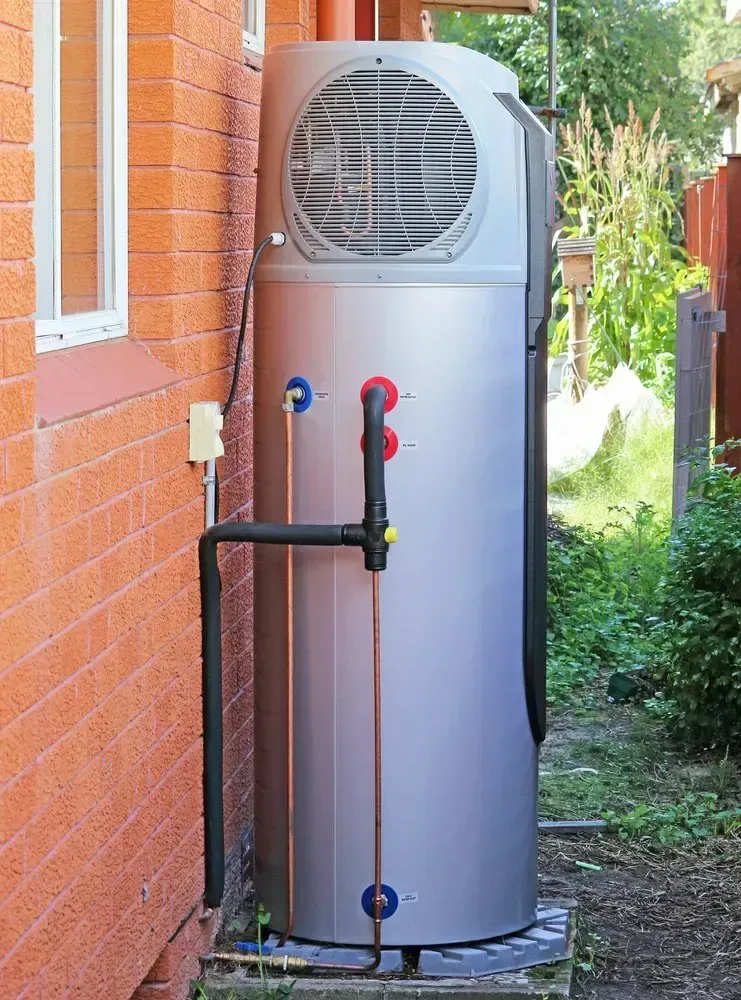
A heat pump uses electricity to move heat from the surrounding air into the water. Under suitable operating conditions, it generally uses less electricity than a conventional electric storage system because it transfers heat rather than producing it only through an element.
Heat pumps need appropriate airflow, clearance and placement. Operating noise, ambient temperatures and recovery performance should be considered alongside household demand. If you have rooftop solar electricity, a compatible heating schedule may help use daytime generation, but the benefit depends on the equipment and your usage.
Choose the Right Hot Water System Size for Your Family
There is no single tank size that suits every family. For storage systems, usable hot water and recovery time matter alongside tank capacity. For continuous-flow systems, the important consideration is whether the unit can meet the required flow and temperature rise when several outlets operate together.
The best hot water system for a large household may be a correctly sized storage unit, a suitable continuous-flow system or another carefully selected option. Choosing an oversized tank can add unnecessary cost and heat loss, while undersizing can leave the household short of hot water. Our assessment considers peak demand rather than headcount alone.
Check Your Property’s Connections and Installation Space
Existing gas and electrical connections can make some options more practical than others. Adding a new connection, changing pipework or upgrading electrical capacity may affect the total installation cost. Available outdoor space, roof access and the location of bathrooms should also be considered.
Our licensed plumbers in Gosford can assess your home and recommend the right size and type.
Balance Upfront Cost With Long-Term Running Costs
Compare the complete installed cost, not just the appliance price. Installation work, any required connection changes and the removal of the old unit can influence the overall budget. Then consider energy consumption, local tariffs, likely usage and servicing needs over time.
A system with a higher initial cost may use less purchased energy, but the financial benefit varies by household. We recommend discussing your property and usage before relying on a savings estimate. There is no universal cheapest option across every home and energy plan.
Which Is the Most Energy Efficient Hot Water System?
Heat pumps and solar hot water systems can reduce purchased energy compared with conventional electric storage, provided they are selected and installed appropriately. Actual performance depends on the model, climate, installation conditions, boosting or backup requirements and household use.
Look beyond a broad efficiency claim. Ask how the system will operate at your property, whether its capacity matches your peak demand and how its heating schedule fits your electricity tariff or solar generation. The most energy efficient hot water system on paper is not automatically the best fit for every installation.
Plan for Maintenance From the Start
Whichever system you choose, regular hot water system maintenance helps support reliable, efficient operation. Follow the manufacturer’s servicing requirements and arrange a professional assessment if you notice leaks, temperature changes or unusual sounds.
Get Local Advice Before You Choose
At AH Plumbing & Maintenance, we help you weigh up household demand, existing infrastructure, installation space and energy priorities. A practical recommendation starts with your home, not a one-size-fits-all answer about which technology is best.
Once you have chosen a suitable system, our team installs hot water systems on the Central Coast and can discuss the installation requirements for your property.
Not sure which system suits your household? Please get in touch with our team for practical advice on selecting and installing your next hot water system.
Need a Hand From a Local Plumber?
Talk to the AH Plumbing & Maintenance team — licensed, insured and one quick call away across the Central Coast.
For Professional Plumbing Services, You Can't Go Past Our Team!
Get a Free Quote