Gas vs Electric vs Heat Pump Hot Water: Which Is Right for You?
Compare gas, electric and heat pump hot water systems for your Central Coast home, including efficiency, running costs and which option may suit you.
Choosing between gas, electric and heat pump systems depends on household size, existing connections, budget and long-term energy use. If you are comparing hot water systems on the Central Coast, understanding gas vs electric hot water options — and where heat pumps fit in — can help you choose a system that suits the home rather than simply replacing like for like.
How to Know When It's Time to Replace Your Hot Water System
Hot water systems often give warning signs before they fail completely.
Common signs include:
- Hot water running out sooner than usual
- Inconsistent water temperature
- Leaks around the tank or pipework
- Rust-coloured water
- Unusual noises
- Increasingly frequent repairs
Not every fault means the whole system needs replacing. Components such as valves, thermostats or heating elements may be repairable.
If the current unit is struggling, it can help to review the signs your hot water system needs repair before deciding whether replacement is the better option.
If replacement does make sense, it is worth comparing the available technologies rather than automatically choosing the same system again.
Gas Hot Water Systems: Pros, Cons and Running Costs
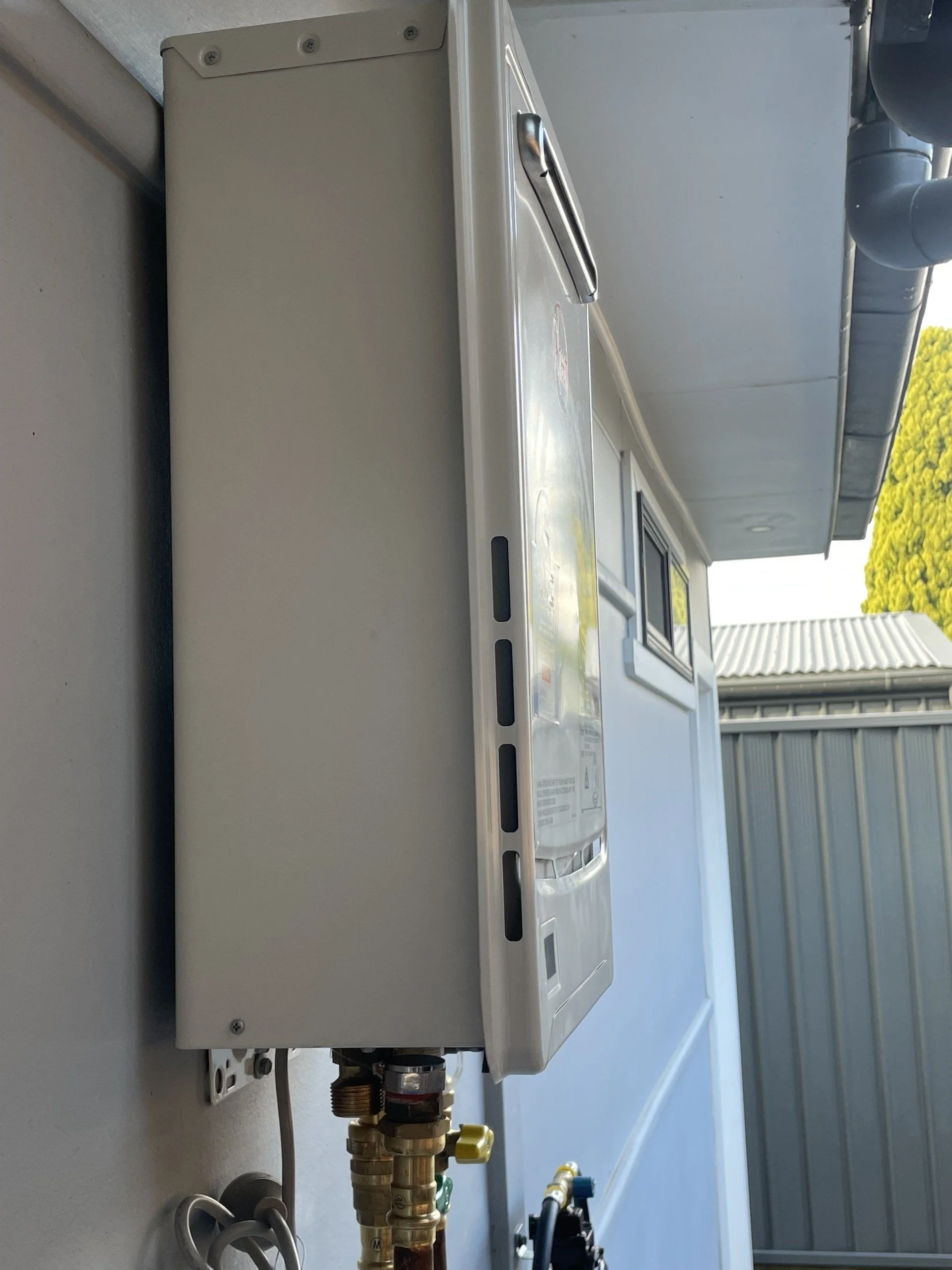
A gas hot water system can be a practical choice for homes that already have a suitable gas connection, particularly where reliable hot water delivery is important.
Gas systems are generally available in storage and continuous-flow designs. Storage systems keep hot water ready in a tank, while continuous-flow units heat water as it is needed.
What are the benefits of gas hot water?
Gas systems can provide fast heating and good recovery, which may suit households with regular or higher hot water demand.
Continuous-flow systems can also save space because they do not require a large storage tank.
What are the drawbacks?
Gas is usually most practical where the home already has the necessary infrastructure. Installing gas solely for a new hot water system can add complexity and cost.
Gas appliances also need correct installation by a licensed professional, so any required gas fitting should be completed by an appropriately qualified tradesperson.
What affects gas hot water running costs?
Running costs depend on the gas tariff, household usage, system type and the efficiency of the individual unit.
For homeowners comparing gas vs electric hot water on the Central Coast, the existing setup of the property often has a major influence on which option offers better overall value.
Electric Hot Water Systems: Pros, Cons and Running Costs
A conventional electric hot water system typically uses an electric element to heat water inside a storage tank.
These systems are widely used, straightforward and available in different capacities to suit different household sizes.
What are the benefits of electric hot water?
Electric storage systems do not require a gas connection and can be relatively simple to install where suitable electrical infrastructure already exists.
They are also familiar technology, with a broad range of tank sizes available for different usage requirements.
What are the drawbacks?
Conventional electric systems generally use more electricity than heat pumps because they create heat directly through an electric element.
Storage systems also use energy to keep water hot while it sits in the tank, so choosing the right tank size matters.
What affects electric hot water running costs?
Hot water system running costs depend on the electricity tariff, household size, hot water habits and when the system is set to heat.
For example, a family using several showers and hot-water appliances within a short period will place more demand on the system than a household where hot water use is spread throughout the day.
Heat Pump Hot Water Systems: Pros, Cons and Running Costs
A heat pump uses electricity to transfer heat from the surrounding air into the water rather than relying mainly on an electric element.
That makes it a popular option for homeowners looking for a more energy-efficient hot water system.
What are the benefits of heat pump hot water?
Heat pumps generally use less electricity than conventional electric storage systems under suitable operating conditions.
They can also suit households moving towards an all-electric home and may work well alongside rooftop solar, depending on how and when the system operates.
What are the drawbacks?
Heat pumps usually involve a higher upfront investment than a basic electric storage system.
They also need sufficient airflow and suitable placement. Because they produce some operating noise, positioning near bedrooms or neighbouring properties should be considered carefully.
When comparing heat pump vs gas hot water, there is no single answer that suits every property. Existing services, available space and household priorities all matter.
Which System Is Most Energy Efficient?
If you are looking for the most energy-efficient hot water system, a correctly selected heat pump is generally one of the strongest options among gas, conventional electric and heat pump systems.
Conventional electric storage tends to use more electricity because it heats water directly. Gas can provide reliable hot water delivery, but its suitability depends on the system and whether the home already uses gas.
Efficiency should not be considered on its own. Installation requirements, household demand, available space and upfront cost all need to be weighed together.
According to industry best practice, a system should be correctly sized for the household rather than selected purely on efficiency claims.
What Suits Your Household? (Family Size, Gas Connection, Budget)
The best choice among hot water systems on the Central Coast depends on how the household actually uses hot water.
How many people live in the home?
Larger households generally need more stored hot water or a system capable of handling higher peak demand.
Timing matters too. Four people showering within an hour creates a very different demand pattern from four people using hot water at different times of the day.
Do you already have gas?
If the home already has suitable gas infrastructure, replacing an existing gas unit may be relatively straightforward.
If the property does not use gas, an electric or heat pump system may make more practical sense than adding gas solely for hot water.
What is your budget?
Upfront cost matters, but it should be considered alongside expected energy use and how long the system is likely to remain in service.
For example, a homeowner may choose a conventional electric system because the initial installation is simpler. Another household may decide a heat pump better suits its long-term goal of reducing electricity consumption.
Neither option is automatically right or wrong. The best choice depends on the property and how the household uses hot water.
Our Recommendation: Getting the Right Advice for Your Home
There is no single winner in the gas vs electric hot water comparison.
Gas can make sense where suitable infrastructure already exists. Conventional electric systems offer a familiar and straightforward option. Heat pumps can be attractive for households that want to reduce ongoing energy use.
Before choosing a replacement system, consider:
- Household size and hot water demand
- Existing gas and electrical connections
- Available installation space
- Upfront budget
- Ongoing energy priorities
- Whether rooftop solar is installed or planned
The right choice should balance comfort, installation requirements, energy use and long-term practicality rather than focusing on one factor alone.
At AH Plumbing & Maintenance, we can assess the property and recommend a system that suits the household rather than simply replacing the old unit with the same type. We provide hot water system installation on the Central Coast, from system selection through to installation and commissioning.
Frequently Asked Questions
Is gas or electric hot water better?
It depends on the property. Gas can be practical where a suitable connection already exists, while electric systems avoid the need for gas infrastructure and offer a wide range of installation options. We can assess the existing setup and help determine which option makes the most sense.
Is a heat pump better than gas hot water?
A heat pump may be better for households prioritising lower energy use. Gas may still suit properties with existing gas infrastructure and strong hot water demand, so we recommend comparing both options against the needs of the home.
What is the most energy-efficient hot water system?
Heat pumps are generally one of the most energy-efficient options compared with conventional electric storage and gas systems. Actual performance still depends on the system, installation conditions and household use.
Is it worth switching from gas to a heat pump?
It can be, particularly for households moving towards an all-electric home. We can assess installation requirements, available space and existing infrastructure before recommending whether the change is worthwhile.
What size hot water system does my family need?
System size depends on household size, shower habits and when hot water demand peaks. We can help size the system correctly so it meets demand without adding unnecessary capacity.
Should I repair or replace my hot water system?
Repair may be worthwhile if the fault is minor and the rest of the system is in good condition. If performance is declining or repairs are becoming frequent, we can assess whether replacement is the better long-term option.
Need a Hand From a Local Plumber?
Talk to the AH Plumbing & Maintenance team — licensed, insured and one quick call away across the Central Coast.
For Professional Plumbing Services, You Can't Go Past Our Team!
Get a Free Quote